Black sheets of rain

4 07 2014

Okay, so I’m a bit odd.

It was hot and sticky the past coupla’ days—just about hottily-sticky enough for me to have hoisted my a/c into the window and cranked her on.

Just about, but not quite.

I know, I hate summer, hate the heat, the stickiness, the sun, and, by August, everything, so you’d think that I’d have that a/c humming whenever the temp got heatward of 85.

Except, of course, I don’t like a/c. I’m glad for it, sure—nothing like standing on a stinky-hot subway platform to make one glad for the air-cool of the car—but my appreciation is merely dutiful, and, frankly, even a little resentful:

If it weren’t so fucking hot I wouldn’t need the damned thing.

Anyway, since I wasn’t thinking about how miserable I was every second of the day and I was able to sleep well enough with the window fan, I figured I could go without.

That’s a reasonable reason for laying off.

The real reason? Thunderstorms were to blow through, dropping the temp into the seventies.

When I lived in Minneapolis (and Montréal and Somerville), I didn’t have air conditioning, and would thus suffer (not at all stoically) thru the summer muck. The only relief came with the storms.

Wind! Thunder! Lightening! Cats and dogs and ponies!

It was glorious.

I didn’t much like summer back in the day, but it’s only been the past few years that I’ve really come to hate it.

So while it may make no sense to a normal person for me to delay installing the one device which might allay my misery, I did it for the right reason.

I did it for the glory.


I’m sorry we do this

1 07 2014

I pretty much ignore all things Facebook (because I can!), but I do want to comment on the blatantly unethical study of newsfeed algorithms.

My ire is focused on both the researchers and on the Proceedings of the National Academy of Sciences for engaging subjects in research without their knowledge and consent (the former) and not flagging this lack of consent in their publication (the latter).

Since the promulgation of the Nuremburg Code following the trial of Nazi doctors, informed consent has been a cornerstone of research ethics. The World Medical Association followed with its own guidelines in the early 1960s (revised many times since), and in 1974, the US Department of Health, Education, and Welfare (now Health & Human Services) promulgated 45 CFR 46 (also updated numerous times); the US regs were later reinforced by the Belmont Report.

My point is, these rules are not new, and any social scientist trained or working in in the US (Adam Kramer received his PhD from the University of Oregon, and Jamie Guillory and Jeffrey Hancock work at UC San Francisco and Cornell University, respectively) should know the basics of them.

And the most basic of the basics about these rules is the necessity of obtaining informed consent from potential research subjects.

You don’t get to say, as Kramer did in a recent Facebook post,

Having written and designed this experiment myself, I can tell you that our goal was never to upset anyone. I can understand why some people have concerns about it, and my coauthors and I are very sorry for the way the paper described the research and any anxiety it caused. In hindsight, the research benefits of the paper may not have justified all of this anxiety.

and expect that your emotional sorriness  makes up for your ethical sorriness.

Not that Kramer even gets the ethical problem: he’s sorry for the way the paper described the research and sorry that the results did not justify the anxiety, but nowhere is he sorry for violating the dignity of his subjects.

Which, by the way, is the whole point of the regs: the recognition and protection of the dignity of human beings.

And PNAS? Shame on them for publishing such egregiously unethical work.

~~~

h/t Robinson Meyer of The Atlantic, for Kramer’s Facebook link


Smile, everthing is all right

1 07 2014

Yay, broken tooth!

Yes, it is silly to cheer on the demise of one’s denture, but this particular molar had been thrice fractured, the last of which did not result in a clean shearing: the tooth was broken and down, but not out.

Last night, after days of worrying with my tongue, upper molars, and, finally, fingers, I managed to root out that miscreant fragment.

Of course, now there’s a space where the tooth had been, but since “dental health” is apparently not sufficiently healthish, any fixes are not covered by my insurance.

I will thus remain unfixed.


All things weird and wonderful, 40

29 06 2014

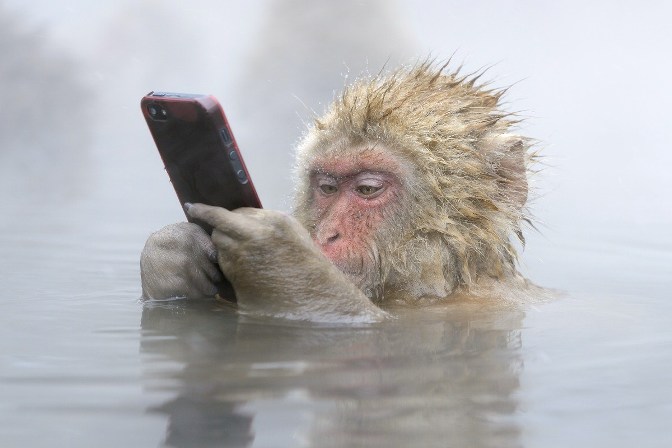
Primates: I use non-H. sapiens primates—our cousins—on my computer display.

My current wallpaper is of two bug-eyed lemurs; the one before, of a Japanese snow monkey examining its paw while steaming in a pond.

This one is examining something else:

Marsel van Oosten

Marsel van Oosten

Bet she knows more about operating that smartphone than I do.

~~~

Via


A long and winding road

23 06 2014

005

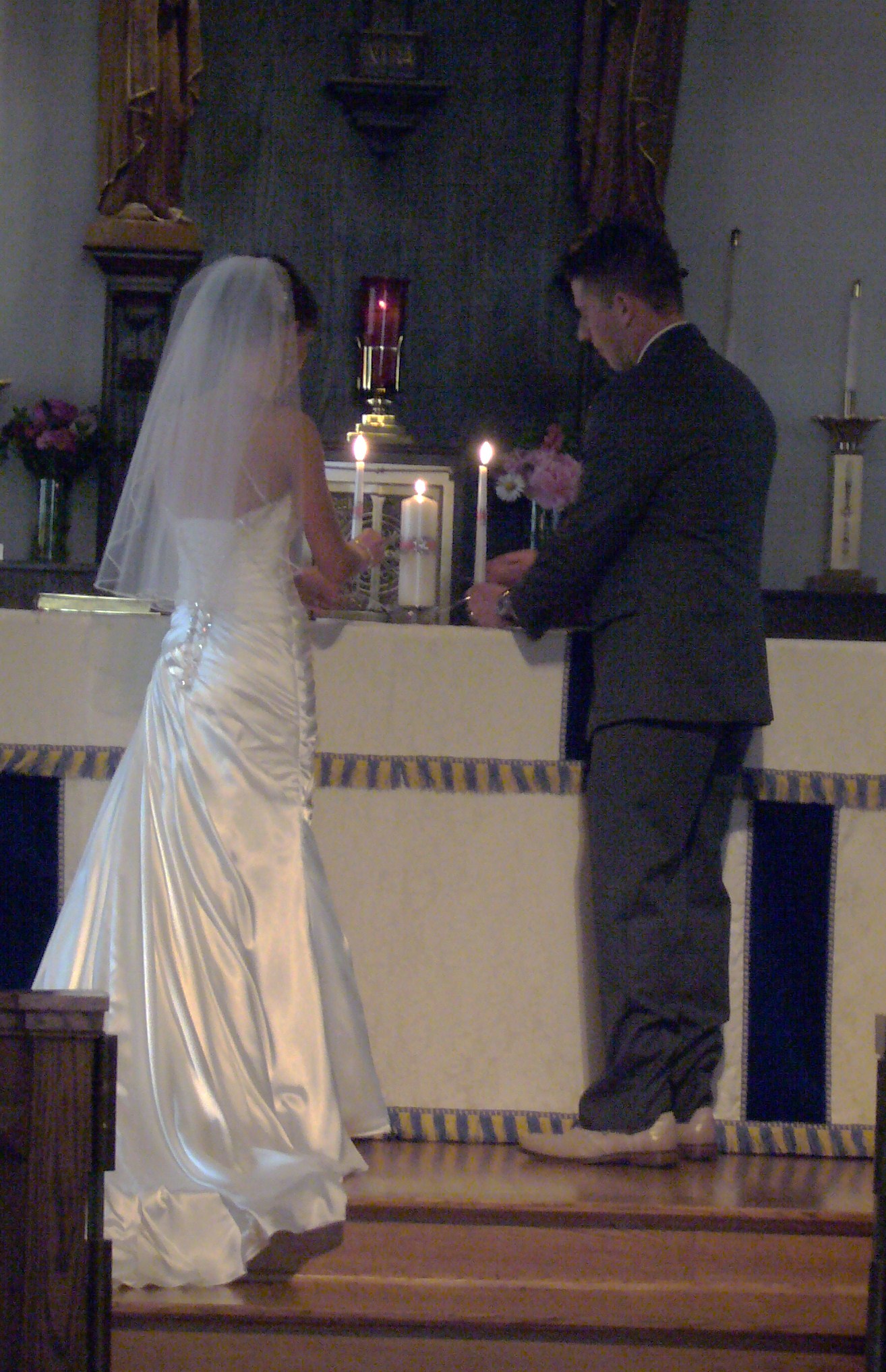
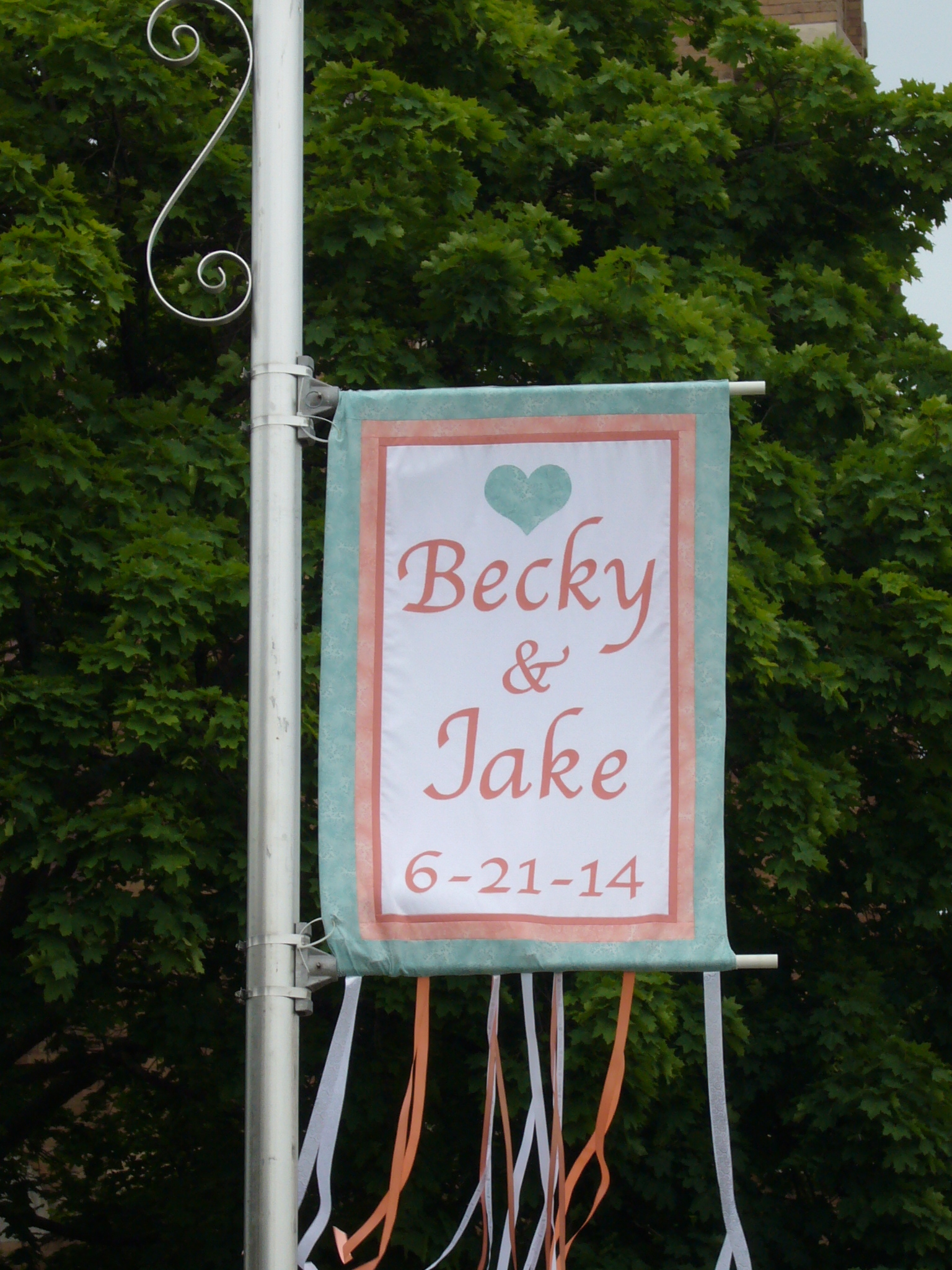
I may have missed the lighting of the unity candle, but they got it right.

007

May it last and last.


Keep on keepin’ on

18 06 2014

I am a terrible, terrible guitar player. It’s why I keep playing.

Makes sense, right? Why do something well when you can suck?

I’d rather not suck. I’d rather that everything I do, I do well.

I’d also like to do more, and to do more is most often to do what I don’t know how to do.

Which means I’ll be terrible when I first do it.

Now, I keep playing because I’d like to get better, because I think I can at some point do it well. I didn’t re-up with the Gotham Rock Choir because I wasn’t convinced that more practice would make me a sufficiently better singer. It’s one thing to be terrible on the way to getting better, but quite another to be terrible on the way to mediocrity.

Rather takes away one’s motivation to practice.

I doubt I’ll ever be great on the guitar—that fucking F chord—but with practice I am improving, enough so that I can gull myself into practicing even more.

So, at some point, I’ll be merely terrible, then mediocre, and then all right. I don’t know that I’ll ever get beyond all right, but, for now, it’s enough to know that I can at least get that far, and that it’s just possible that I could, someday, be good.

Time to try something else to be terrible at, then. I’ve long wanted to learn French. . . .


Stand up for your rights

10 06 2014

All professors hate grading.

Okay, I know, I shouldn’t presume to speak for all professors everywhere, especially since I’m just a punk adjunct and lack the tenure Real Professors™ have, but on this issue, I’m pretty confident that I speak for every professor everywhere ever.*

(*Except for the sadists who see grading as an opportunity to inflict pain, and those who think grading provides an excellent opportunity for students to lea—no, wait, the latter are graduate students and ABDs who’ve yet to have their pedagogy snapped into reality.)

Anyway. I hate grading, and while I try very hard to grade in a thoughtful and conscientious manner, with every paper I pick up I have to fight the impulse to rush through and offer some bullshit “whatever” comment before dashing off the only thing most students care about: the grade.

Except, this summer, this session, I might actually enjoy reading my students’ papers.

Well, maybe “enjoy” is too strong of a word, but it’s possible that it won’t entirely suck.

I’m teaching a course I’ve taught once before—women and politics—but instead of having them write papers anchored in the required readings as I did the last time out, this time they’re writing one short and two longer papers on, yep, a woman in politics.

The first paper is a short bio, pretty much straight-up description. The second paper focuses on the movement or party in which the woman worked, and the third, an analysis of her role in that movement and her/its impact on society.

My students have picked Jeannette Rankin, Ruth First, Yuri Kochiyama, Aun San Suu Kyi, Denise Oliver, and the Mirabel sisters.

Awesome.

Yes, it helps that this is a very small class, but this is a Murderer’s Row lineup.

Well done, students. Well done.


Bring him back home

4 06 2014

Enough fucking around.

That was how I began an editorial advocating for the release of hostages held in Lebanon. A year or so later the arms-for-hostages story—otherwise known as the Iran-Contra affair—broke.

I claim no responsibility for the colossal fuck-up that was the Reagan administration’s attempts to free those hostages—for some reason, I doubt anyone in DC was paying attention to a 20-year-old editorialist for the leftist Daily Cardinal—and I was as righteous in my denunciation of that colossal fuck-up as any righteous leftist editorialist.

However. I am responsible for my words and advocacy. I don’t remember exactly what I wrote, but I was pretty clearly in favor of robust action to get those hostages home.

And I was wrong wrong wrong.

Not wrong in wanting these men released, but wrong in thinking that no one in Washington was paying attention, that it was a simple matter, and that their release mattered more than anything else.

Wrong wrong wrong.

So, no, I have no opinion about the release of Sgt. Bowe Berghahl. I am glad, for he and his family, that he is home, and am not opposed in principle to notion of prisoner swaps—but beyond that, I got nothin’.


Hold me closer, tiny dancer

2 06 2014

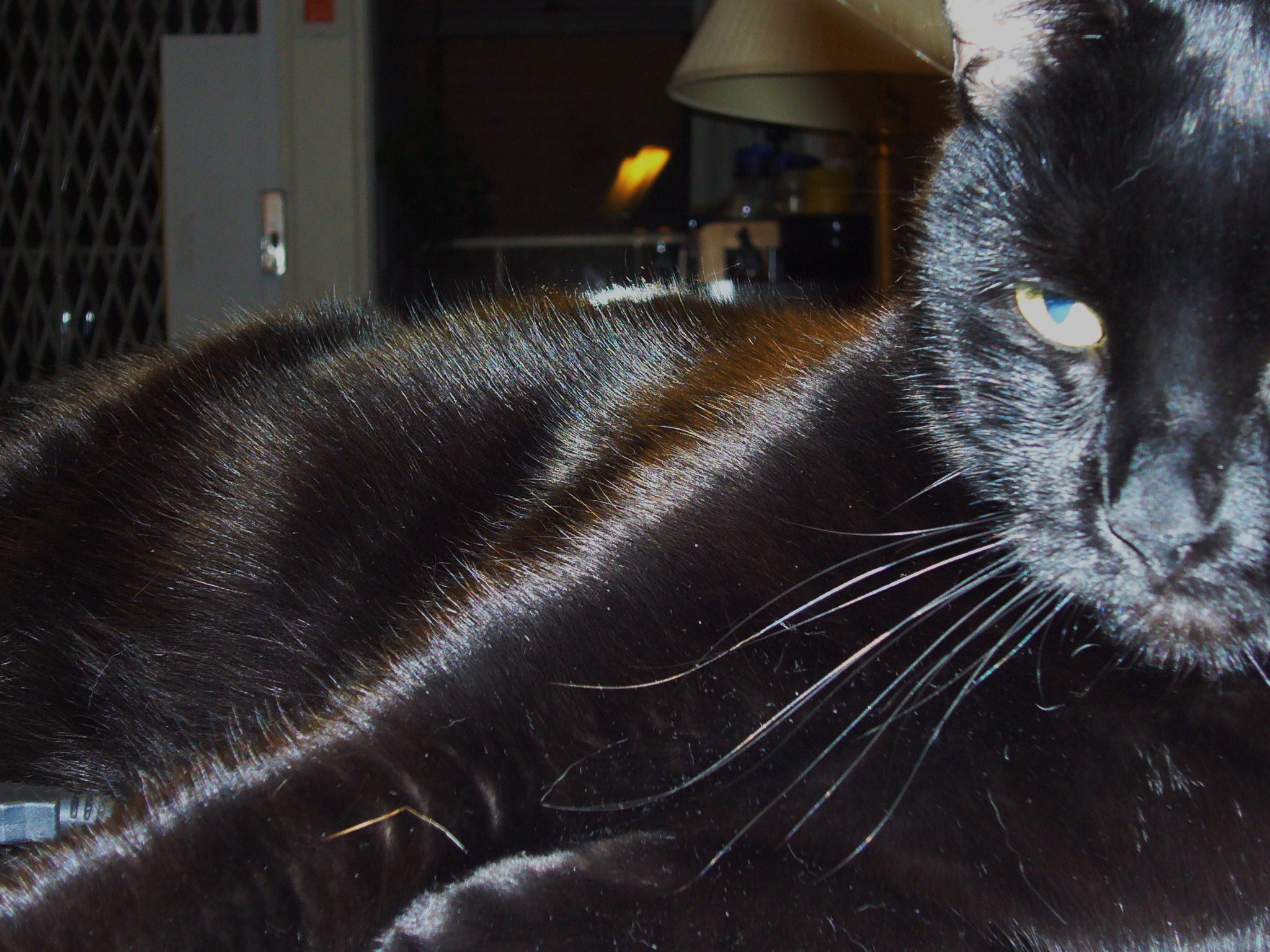
Black cat:

009

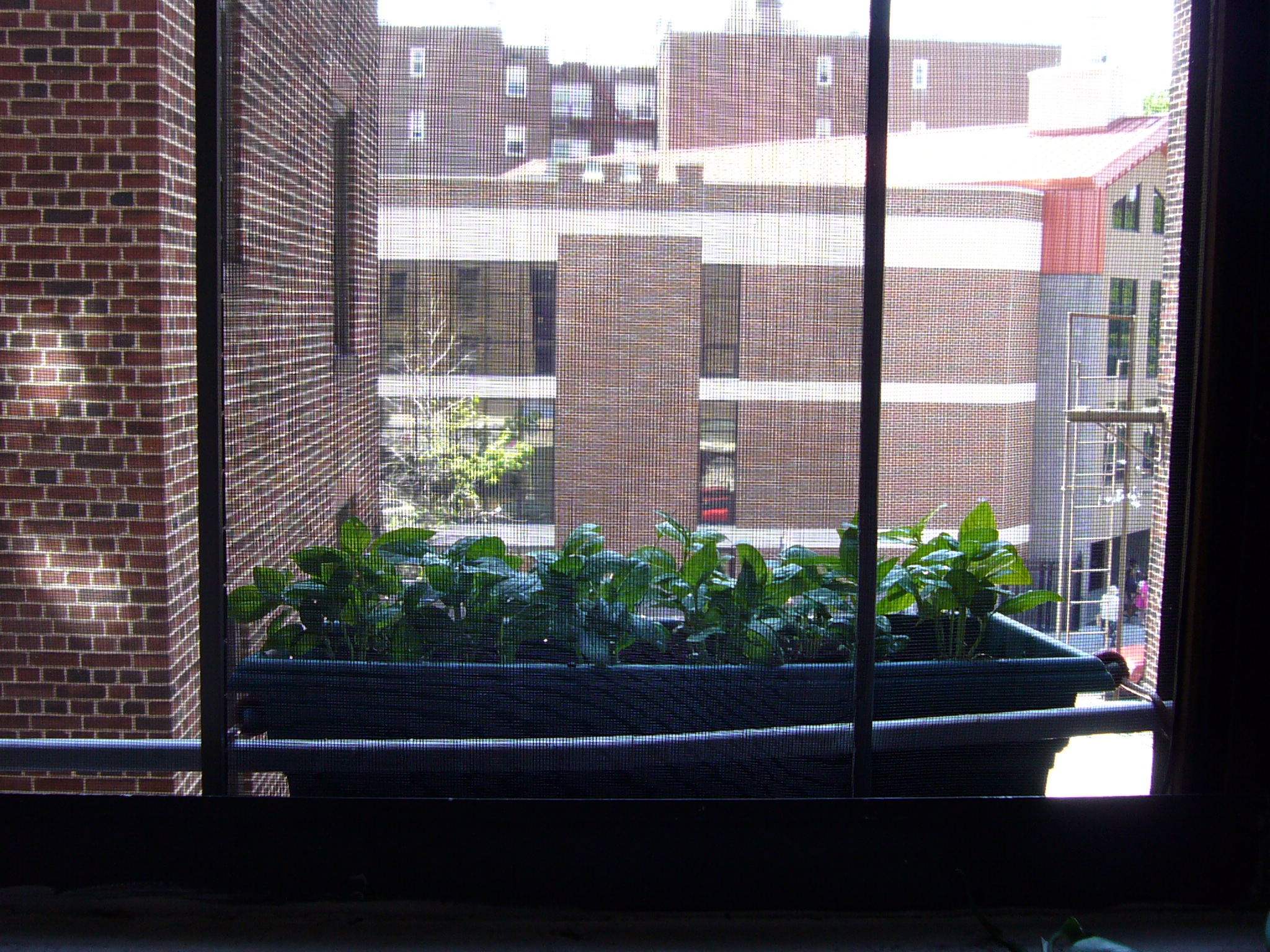
and tiny basil:

013

It’s the first Monday in June, is why.


All things weird and wonderful, 39

29 05 2014

I’ve totally got a thing for storms, big big big storms.

Not enough to be a stormchaser, but I totally get the urge to find the kind of weather that looks beautiful as it kills you.

That’s shot by Stephen Locke, and he’s got a coupla’ websites to showcase his skills at capturing these beautiful beasts.

New York has almost everything, good and bad, but it lacks the weather—or, more precisely, lacks the sightlines to the kind of weather that makes me want to run outside and throw my arms wide and head back and let it all rush through me.

Wisconsin and Minnesota had that. Even in Minneapolis, which is a respectable city, there was enough open space to see how the big sky made us all small.

To be made small by pettiness—my own or someone else’s—diminishes me. But to be made small by something overwhelming is to be caught up in the overwhelm and, absurdly, made large.

~~~

h/t Phil Plait, Bad Astronomer